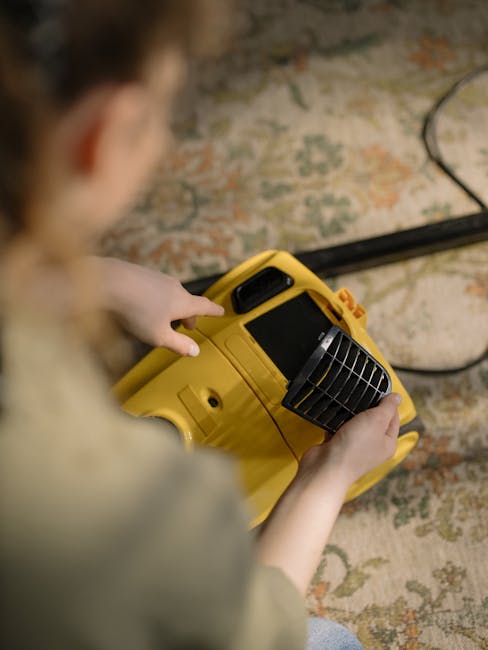
Avoid common carpet cleaning mistakes in Arkley homes

If you live in Arkley, you already know carpets take a beating in quiet, ordinary ways: muddy shoes after a damp walk, tea spills in the living room, pet accidents on a rainy afternoon, and the general dust that seems to settle whether you ask it to or not. The tricky bit is that many of the mistakes people make while cleaning carpets look harmless at first, then show up later as faded patches, sticky residue, reappearing stains, or that slightly sour smell no one wants in a hallway. This guide will help you avoid common carpet cleaning mistakes in Arkley homes and show you the practical, sensible way to get better results without damaging the fibres.
Whether you do it yourself or you're comparing professional help, the aim is the same: cleaner carpets, less stress, and fewer expensive regrets. Let's get into the stuff that actually matters.
Why Avoid common carpet cleaning mistakes in Arkley homes Matters
Carpets do more than soften a room. They trap grit, affect indoor comfort, and quietly shape how clean the whole home feels. In Arkley, where homes can see a mix of family traffic, pets, garden debris, and damp weather at the door, a carpet often gets dirtier than people realise. Clean it badly, and you can make things worse than leaving it alone for another week. Truth be told, that happens quite a lot.
The most common problem is not dirt itself; it is how people respond to it. Scrubbing a stain too hard can spread it deeper. Using too much detergent can leave a sticky film that attracts more soil. Over-wetting can leave underlay damp for hours, sometimes longer, which is never ideal. And if you guess at a method without checking the fibre type, you may flatten the pile or discolour the finish. Not exactly the result anyone was aiming for.
There is also a practical side. Getting carpet cleaning wrong costs time, money, and patience. A patchy DIY job often leads to a second round of cleaning, and sometimes a professional callout anyway. If your home has wool carpets, fitted stairs, delicate rugs, or repeat pet stains, the margin for error gets smaller fast. That is why it helps to understand the mistakes before you start.
Expert summary: Good carpet cleaning is not about doing more. It is about doing the right things in the right order, with the right moisture level, product, and drying time.
For homes that need a more specialised approach, the broader carpet cleaning service page gives a useful overview of what professional treatment can involve, while cases involving stubborn marks may also benefit from stain removal.
How Avoid common carpet cleaning mistakes in Arkley homes Works
To avoid mistakes, it helps to understand the cleaning process in plain English. A carpet holds loose dirt, embedded grit, oils, food residue, and sometimes biological matter such as pet accidents. The cleaning job is to loosen, lift, and remove that soil without harming the fibres or leaving residue behind.
Most effective cleaning methods follow a simple sequence:
- Dry removal first - vacuum thoroughly to lift loose debris before using any liquid.
- Spot assessment - identify the stain type, fibre type, and whether the carpet has a backing or underlay that could be affected by water.
- Targeted pre-treatment - use the lightest suitable product for the mark, not the strongest one available.
- Careful agitation - work the solution gently into the affected area rather than scrubbing aggressively.
- Extraction or blotting - remove the loosened soil and excess moisture.
- Controlled drying - air movement matters. A lot.
Where people go wrong is usually at the transition points. They vacuum too little, add too much product, or assume more water means more cleaning. It doesn't. In fact, too much moisture is one of the biggest reasons carpets stay damp, smell odd, or develop recurring marks at the edges.
Steam cleaning can be highly effective when it is used on the right carpet with proper technique, but even that can become a problem if overused or rushed. If you're weighing methods, the dedicated steam carpet cleaning page is a useful reference point. And if the issue extends beyond the carpet itself to sofas or other textiles, it may be worth looking at upholstery cleaning too, since the same care principles apply.
Key Benefits and Practical Advantages
When carpet cleaning is done properly, the benefits are not subtle. A room feels fresher. Colours look more even. The pile stands up better. And you stop chasing the same stain over and over like it's playing a joke on you.
Here are the real-world advantages of avoiding the common mistakes:
- Less fibre damage - gentler methods help carpets last longer.
- Better stain removal - correct treatment usually works better than repeated scrubbing.
- Faster drying - lower moisture means less disruption to the household.
- Reduced residue - carpets stay cleaner for longer when detergent is rinsed properly.
- Improved indoor feel - dust, odour, and allergens are less likely to build up.
- Lower risk of re-soiling - sticky cleaning products can attract dirt if left behind.
There is also a comfort benefit that people sometimes overlook. A carpet that has been cleaned correctly simply feels better underfoot. Not flashy. Just noticeably nicer when you walk across it in socks on a cold morning. That matters more than it sounds.
If you are comparing options or planning ahead, it helps to understand the likely scope of work and expectations. The pricing and quotes page is useful for making sense of how carpet care is typically assessed, especially when multiple rooms, stairs, or stain treatments are involved.
Who This Is For and When It Makes Sense
This advice is for anyone in Arkley who wants cleaner carpets without creating a new problem in the process. That includes homeowners, tenants, landlords, busy families, pet owners, and people preparing a property for guests or a move.
It makes particular sense if:
- you have had a spill and need to act quickly
- your carpets are starting to look dull even after vacuuming
- you have wool or delicate fibres and don't want to risk damage
- pets have left odour or repeated marks in the same area
- you've tried cleaning before and the stain came back
- you want to avoid over-wetting stairs, hallways, or landing carpets
Some homes are more forgiving than others. A low-traffic room with a synthetic carpet can usually handle a straightforward clean. A family hallway with muddy footprints, a staircase, and a pet that likes to nap by the radiator? Different story. That is where method matters most.
People also sometimes ask whether they should clean a carpet themselves or call in help. The honest answer is: if it is a light refresh, DIY can work well. If the carpet is valuable, badly stained, or awkward to dry, professional support is often the safer choice. The judgement call is part of the job, really.
Step-by-Step Guidance
Here is a sensible, low-risk way to clean carpets in an Arkley home without making the usual mistakes.
1. Vacuum properly before anything wet touches the carpet
Use a slow pass, then go back over high-traffic areas from a different direction. You are trying to lift grit, not just tick a box. If sand, crumbs, or pet hair stay in the pile, they can turn into abrasive sludge once moisture is added.
2. Test a small hidden area first
Do not skip this. A patch behind furniture or in a corner can tell you whether the carpet reacts badly to the product or moisture. If there is colour transfer, fibre distortion, or sudden dullness, stop there. It's a small step that saves big headaches.
3. Identify the stain before treating it
Food, grease, mud, drink spills, pet urine, and ink all need different handling. A one-size-fits-all product is convenient, but not necessarily kind to your carpet. Using the wrong solution can set a stain rather than remove it.
4. Apply less product than you think you need
People often overdo detergent because they want visible action. Foam looks busy. It does not always mean it's working. A light application, given time to do its job, is usually better than saturating the area. More is rarely more here.
5. Blot, do not rub
Rubbing pushes the stain deeper and can roughen the fibres. Blot from the outside in. That keeps the stain from spreading. Simple, but easy to forget when you are annoyed and in a hurry.
6. Rinse or extract carefully
If residue remains, dirt will cling to it later. That is why people sometimes feel they cleaned a carpet successfully, only for it to look worse a week later. A proper rinse or extraction phase matters just as much as the cleaning phase.
7. Dry the carpet thoroughly
Open windows if the weather allows, use airflow, and keep foot traffic off the area for as long as possible. In damp weather, especially through winter evenings, drying takes more patience than people expect. If the carpet is still cool and slightly clammy to the touch, it is not done yet.
8. Finish with a gentle vacuum once dry
This lifts the pile and removes any loosened residue. It also helps the carpet look more even. A tiny final step, but it makes a noticeable difference.
Expert Tips for Better Results
These are the small habits that separate a decent clean from a frustrating one.
- Work from the edge inward on spills so the mark doesn't spread.
- Use white cloths or plain towels for blotting to reduce dye transfer.
- Keep cleaning movements gentle and consistent rather than frantic.
- Control moisture especially on stairs, where padding and edges can hold water longer.
- Lift furniture carefully rather than dragging it, which can snag fibres.
- Treat recurring stains as a cause problem rather than a surface problem; if a pet stain returns, the underlay may be involved.
A small but useful trick: after any wet clean, place a dry towel over the area and press down with steady hand pressure. You can often pull out a surprising amount of remaining moisture. Old-fashioned? Yes. Effective? Also yes.
If a stain keeps returning after you clean it, that usually means the spill went deeper than the visible pile. In that case, specialist pet stain odour removal or targeted stain removal may be the better route than another round of generic cleaning.
Common Mistakes to Avoid
This is the section that saves carpets. Quite a lot, actually.
Using too much water
Excess water can soak the underlay, extend drying time, and leave lingering smells. In some cases it can also allow old soil to wick back up as the carpet dries. That is one of the most annoying carpet cleaning surprises, because the room looks fine at first.
Scrubbing stains aggressively
Scrubbing feels productive, but it can fray fibres, distort the pile, and spread the stain. Blotting is slower and kinder.
Choosing the wrong cleaning product
Bleach-based or overly harsh products can cause fading or patchy colour loss. Even a mild-looking cleaner can be too strong for wool or delicate blends. Always check suitability before you start.
Cleaning without vacuuming first
This is a classic mistake. Loose grit turns into muddy residue once liquid is added. You end up moving dirt around instead of removing it.
Using too much detergent
Residue left behind attracts more dust. The carpet can start to feel tacky, and that slightly dull look returns fast.
Rushing the drying process
Putting furniture back too soon can trap moisture and leave marks. Walking on the carpet before it is dry can also distort the pile. Patience. Not glamorous, but necessary.
Ignoring the carpet fibre type
Wool, synthetic, and blended carpets all behave differently. What works on one can damage another. If you are unsure, it is better to be cautious than clever.
Treating every stain the same
Grease, tea, wine, mud, makeup, and pet urine are not interchangeable. A wrong treatment can lock the stain in place.
Cleaning only the visible spot
If the surrounding area is dirty, the cleaned patch can stand out. A feathered, slightly wider approach often blends better.
Not checking the edges and corners
These areas collect dust and often get missed. The carpet may look clean in the middle but still feel grim around the room perimeter. It happens more than people admit.
For tougher, broader cleaning jobs that involve the whole room or multiple surfaces, you may find the main carpet cleaning and upholstery cleaning pages useful when planning what needs attention.
Tools, Resources and Recommendations
You do not need a van full of equipment to clean a carpet well. But you do need the right basics.
| Tool or material | Best use | Watch out for |
|---|---|---|
| Vacuum cleaner with strong suction | Removing grit and dry soil before wet cleaning | Do not rush; go slowly for better pickup |
| White microfibre cloths | Blotting spills and lifting surface residue | Avoid coloured cloths that may bleed dye |
| Plain absorbent towels | Pressing out moisture after spot cleaning | Do not rub aggressively |
| Carpet-safe cleaning solution | Targeted stain treatment | Always test first, especially on wool |
| Air mover or fan | Helping carpets dry faster | Do not trap the room in humidity |
| Soft brush or carpet rake | Gently lifting fibres after drying | Too much pressure can flatten the pile |
If you are dealing with rugs as well as fitted carpet, it is worth separating the two mentally. Rugs often need different care because of backing materials, dyes, or fibre mixes. The rug cleaning service page gives a good indication of why that distinction matters.
For homes with curtains, sofas, or mattresses alongside the carpet, a whole-room approach often makes more sense than cleaning one item in isolation. Related services such as curtain cleaning and mattress cleaning can help keep dust and odour from migrating back into freshly cleaned carpets. It sounds fussy, but it is often the difference between a room that just looks cleaner and one that genuinely feels fresher.
Law, Compliance, Standards, or Best Practice
For most homeowners, carpet cleaning is a practical maintenance task rather than a regulated activity. Still, there are sensible UK best-practice expectations worth keeping in mind, especially if you hire someone to do the work.
Look for clear information about insurance, safe working practices, and how cleaning products are handled around children, pets, and delicate furnishings. If equipment is used inside a home, it should be operated responsibly and with regard for slip risks, electrical safety, and drying conditions. That is just common sense, really, but common sense is not always common.
If you are comparing providers, it helps to check that they explain their process openly and have proper policies in place. The site's health and safety policy, insurance and safety, and terms and conditions pages are the kinds of trust signals that matter when you want a cleaner to work carefully in your home.
It is also reasonable to ask how waste water or packaging is managed, particularly if you prefer a lower-waste approach. Where environmental care is important to you, the recycling and sustainability page may help you understand the company's stance. And if you are ever unsure about what to expect from a service, asking questions before work starts is always better than sorting out a misunderstanding afterwards.
Options, Methods, or Comparison Table
Different carpet cleaning methods suit different situations. Here is a quick comparison to help you think clearly.
| Method | Best for | Advantages | Limitations |
|---|---|---|---|
| Vacuum-only maintenance | Light daily upkeep | Fast, safe, no drying time | Will not remove stains or deep soil |
| Spot cleaning by hand | Fresh spills and small marks | Low cost, quick response | Can leave rings or residue if done badly |
| Steam cleaning | Deeper soil and general refresh | Effective when done properly, good soil lift | Risk of over-wetting if rushed or misused |
| Professional deep cleaning | Busy homes, stubborn marks, larger areas | More consistent results, less guesswork | Usually costs more than DIY |
| Specialist stain treatment | Pet accidents, dye transfer, recurring stains | Targets the actual problem | Needs correct diagnosis first |
For most Arkley homes, the best approach is often a mix: regular vacuuming, careful spot treatment, and occasional deep cleaning when traffic build-up starts to show. If you are working with a higher-traffic space or a property used for business purposes, the commercial carpet cleaning page is relevant because the wear pattern and cleaning frequency are usually very different from a family home.
Case Study or Real-World Example
A typical example: a family in Arkley notices a dark patch near the living room doorway after a wet week. It looks like a simple mud stain, so they scrub it with a strong product and a stiff brush. At first, the mark fades. A day later, the area looks larger and duller, and there is a slight tide line around the edge. Not ideal.
What likely happened? The stain was pushed deeper, the fibres were roughened, and the edges dried differently from the centre. If the carpet was left damp too long, the soil may have wicked up from below. In a case like that, the better approach would have been to vacuum first, blot gently, use a suitable pre-treatment, and dry thoroughly. If the stain had a pet element or had come through to the backing, specialist treatment would have been the safer move.
This is a small example, but it is a familiar one. Most carpet mistakes are not dramatic disasters. They are tiny overreactions. A bit too much water. A bit too much pressure. A bit too much confidence. We've all been there.
That is why careful method beats force every time.
Practical Checklist
Use this quick checklist before you clean any carpet in an Arkley home.
- Vacuum the area thoroughly first
- Identify the stain type if possible
- Test the cleaning product in a hidden spot
- Use the least aggressive suitable method
- Blot rather than scrub
- Avoid soaking the carpet
- Rinse or extract residue carefully
- Dry the area fully before replacing furniture
- Check for reappearing stains after drying
- Call for specialist help if the mark returns or spreads
If the issue is clearly beyond a simple surface spill, don't keep attacking it blindly. Sometimes the smartest move is stepping back and getting the right type of help the first time. That saves both the carpet and your patience.
Conclusion
To avoid common carpet cleaning mistakes in Arkley homes, focus on the basics: vacuum well, use the right product, treat stains gently, control moisture, and give the carpet proper drying time. Most damage comes from overdoing something, not from doing too little. That is the pattern again and again.
When you understand the fibre, the stain, and the cleaning method, the whole task gets easier. You spend less time worrying, less money fixing mistakes, and less energy staring at a patch on the floor hoping it disappears by magic. It won't.
For bigger jobs, stubborn marks, or carpets that need a more careful touch, professional support can make the process simpler and safer. If you'd like to talk through your options, the next step is straightforward.
Get a free quote today and see how much you can save.
And if you take nothing else from this guide, let it be this: a calm, careful clean almost always beats a rushed one. Your carpet will thank you in its own quiet way.
Frequently Asked Questions
What is the biggest carpet cleaning mistake homeowners make?
The most common mistake is using too much water or too much product. Both can leave residue, extend drying time, and make stains come back through the fibres.
Should I vacuum before cleaning carpet stains?
Yes. Vacuuming first removes loose grit and debris so you are not turning dry dirt into muddy residue while cleaning.
Is scrubbing a carpet stain ever a good idea?
Usually not. Scrubbing can damage the pile and spread the stain. Blotting is generally safer and more effective.
How do I know if a carpet is too delicate for DIY cleaning?
If it is wool, antique, lightly coloured, or you are unsure about the fibre type, it is wise to test carefully first or get advice before using any liquid treatment.
Why does my carpet look dirty again after cleaning?
That often happens because of residue, over-wetting, or soil wick-back from below the surface. Drying and rinse quality matter a lot.
Can I use the same cleaner on rugs and fitted carpet?
Not always. Rugs may have different dyes, backings, and fibres, so they can react differently from fitted carpet.
How long should a carpet take to dry?
Drying time varies with fibre type, moisture level, room temperature, and airflow. The key is not to rush furniture back onto the carpet before it feels fully dry.
What should I do about pet stains and odours?
Act quickly, blot carefully, and use a treatment designed for the problem. If the odour keeps returning, the issue may have reached the underlay.
Is steam cleaning safe for all carpets?
No. Steam cleaning can work well on suitable carpets, but delicate fibres or heavily moisture-sensitive areas may need a different method.
When is professional carpet cleaning worth it?
It is often worth it for stubborn stains, large areas, recurring odours, delicate carpets, or when you want a deeper clean without the trial and error.
How often should carpets be cleaned in a family home?
That depends on foot traffic, pets, and lifestyle. Many homes benefit from regular vacuuming and periodic deeper cleaning when the carpet starts to look dull or feel less fresh.
What should I ask a carpet cleaner before booking?
Ask about their process, drying expectations, insurance, safety practices, and how they handle stains or delicate fabrics. Clear answers are a good sign.
For more information about service details, you can also review the company's about us page, along with the contact us page if you need to ask a specific question before booking.